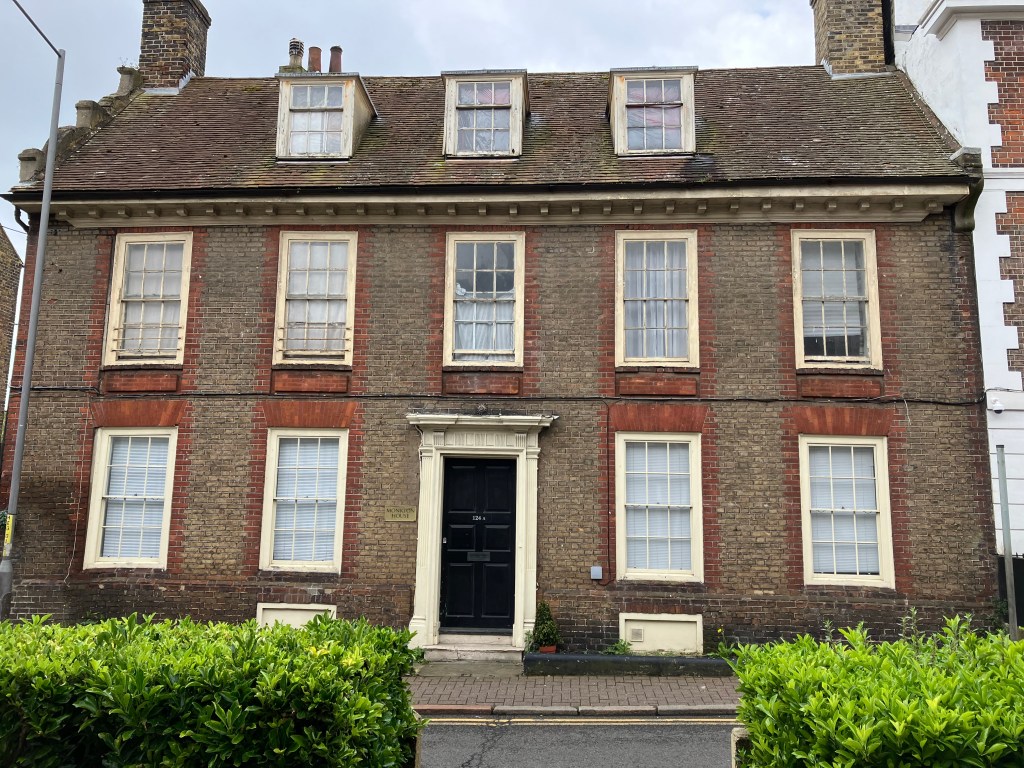
With a big S. I have found that working with historic buildings requires the multi disciplinary team to talk about waste. How it will be managed, how it will be removed and how it will be reduced.
In domestic updates to historic buildings this isn’t so much discussed. But it should be. Because the historic environment is protected by statutory designations there are many sustainability measures that are out of the reach of our significant buildings. This creates an opportunity to look at less invasive options, things that can be achieved without upsetting the conservation officers – and in turn, this sets a fantastic example for the rest of us.
It’s time for us, as consumers, to be more conscious of the choices we make when doing refurbishment work, to know more about the materials we choose, to ask the tough questions about how we will dispose of fittings we no longer want and to make wise purchases including vintage and antique items. This is something that the historic environment already has to do because their listing restricts what can be changed and how it can be replaced.
For the average home owner this would be a deal breaker but as my clients’ above have stated, they feel incredibly lucky to own the properties that they do. This is a sentiment to share!
 Past-Forward